Why Evidence-Based SEO Beats Guesswork in 2025
For years, SEO advice floated around like folklore. Someone would claim that meta keywords matter, or that guest posting is dead, and the industry would nod along until the next myth arrived. I have been guilty of following such advice myself, back when I trusted a forum post over my own analytics. The shift toward evidence-based seo has changed how I work, and it can change how you work too. Instead of chasing tactics that sound logical, you test, measure, and adapt based on what actually moves rankings.
That approach feels more like science than magic. You form a hypothesis, run an experiment, and look at the data. If the data supports the hypothesis, you double down. If not, you move on. This is not a new concept, but it has become more accessible with the tools and resources we have today. Google Search Central publishes official guidance, and platforms like Ahrefs, Moz, and SEMrush provide raw data that can confirm or overturn popular beliefs.
What Evidence-Based SEO Actually Looks Like
When I say evidence-based seo, I mean making decisions based on observable, repeatable data rather than hunches or hearsay. For example, let us consider the question of whether longer content ranks better. A quick search on Backlinko or Search Engine Journal will show studies with sample sizes and correlations. But correlation is not causation. A long article might rank well because it covers a topic thoroughly, not because of its word count. The evidence helps you understand the underlying reason.
Another example is page speed. Google PageSpeed Insights gives you a laboratory test of your page, but real user data from Google Search Console and Google Analytics can show how speed affects your actual visitors. A site with a 90 score might still have a slow server response time. The evidence points to the real bottleneck, not the headline metric. This is the difference between following a checklist and solving a problem.
The Problem with Recipe-Style Advice
Many SEO articles read like recipes: do this, then that, and you will rank. But search engines are not ovens. They are constantly changing, and what worked for one site may not work for yours. I have seen a client in the travel niche rank with short, punchy posts, while a client in the legal niche needed long, detailed guides. Following a generic formula would have failed one of them.
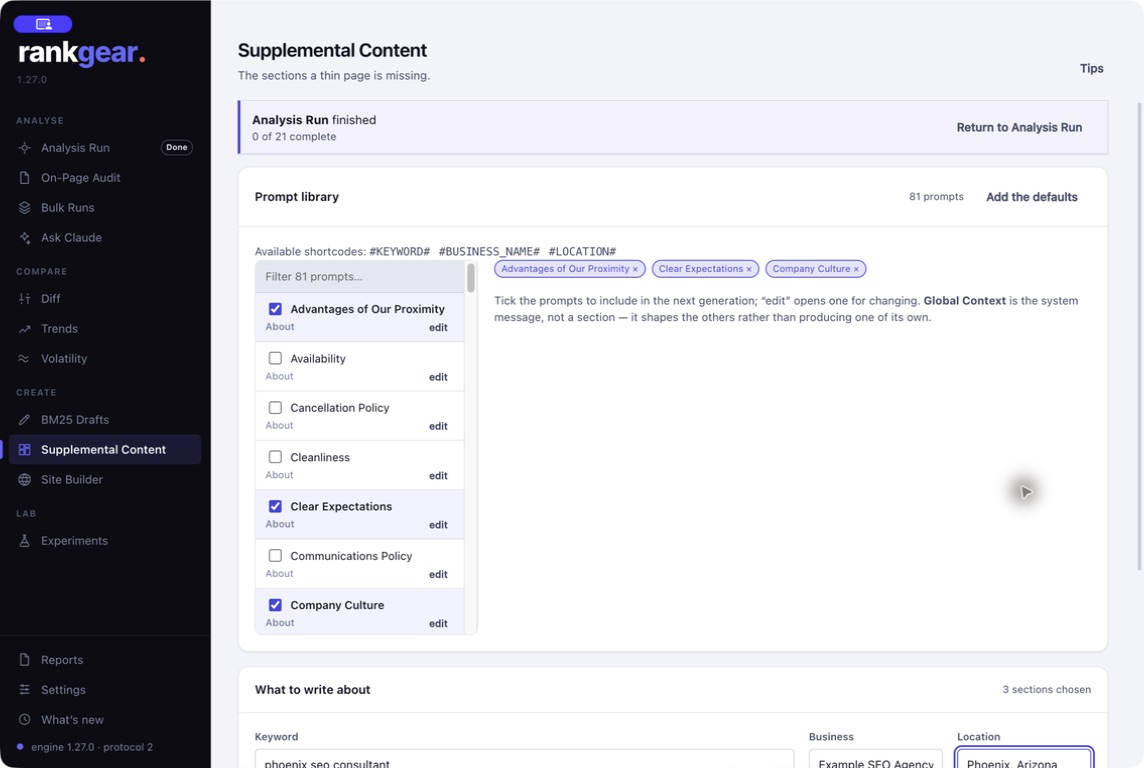
That is why I appreciate resources like the Google Search Quality Rater Guidelines. They are not a ranking factor, but they give you insight into what Google considers quality. Pair that with data from your own site, and you start to see patterns. For instance, if your pages with schema markup get more clicks, that is evidence that structured data matters for your niche. Schema.org provides the vocabulary, but you have to test how it performs for your audience.
Tools That Help You Gather Evidence
You do not need a data science degree to practice evidence-based seo. The right tools make it approachable. Here are a few I use regularly:
- Google Search Console for impressions, clicks, and average position data
- Ahrefs or SEMrush for backlink analysis and keyword difficulty
- Google Analytics for user behavior and conversion tracking
- Moz for domain authority and on-page optimization suggestions
- Backlinko and Search Engine Land for case studies and industry experiments
These tools give you different lenses. One might show that your competitor has more backlinks, while another shows that they rank for keywords you have never considered. The key is to combine these signals into a coherent picture. For example, if Google Trends shows a rising interest in a topic, and your Search Console data shows that your existing pages on that topic are gaining impressions, that is a strong signal to create more content around it.
How to Run Your Own SEO Experiments
Running experiments does not require a massive budget. Start with a single page that has been underperforming. Change one element at a time, such as the title tag, the meta description, or the internal linking structure. Wait a few weeks, then compare the performance in Google Search Console. Did the click-through rate improve? Did the average position shift? Those are your evidence.
I once worked with a client who had a page stuck on page two for a competitive keyword. We rewrote the meta description to include a clear value proposition and added a table of contents with anchor links. Within a month, the page moved to position three. Was it the description or the table of contents? We could not tell, but the combined change worked. That is a small win, but it builds trust in the process.
When the Evidence Contradicts Common Wisdom
Sometimes the data surprises you. I remember reading a study that said featured snippets do not always steal clicks. My own data showed that one of my pages lost clicks after winning a snippet, but another gained. The difference was the type of query. For informational queries, a snippet can satisfy the user without a click. For transactional queries, a snippet can increase credibility and attract clicks. The evidence helped me understand that SERP features are not universally good or bad.
This is where evaluation frameworks like the Google Search Quality Rater Guidelines come in handy. They teach you to think about user intent and page quality, which aligns with what the data shows. When you combine that with your own experiments, you develop a feel for what works in your niche. It is not about copying the top result. It is about understanding why it ranks and testing your own improvements.
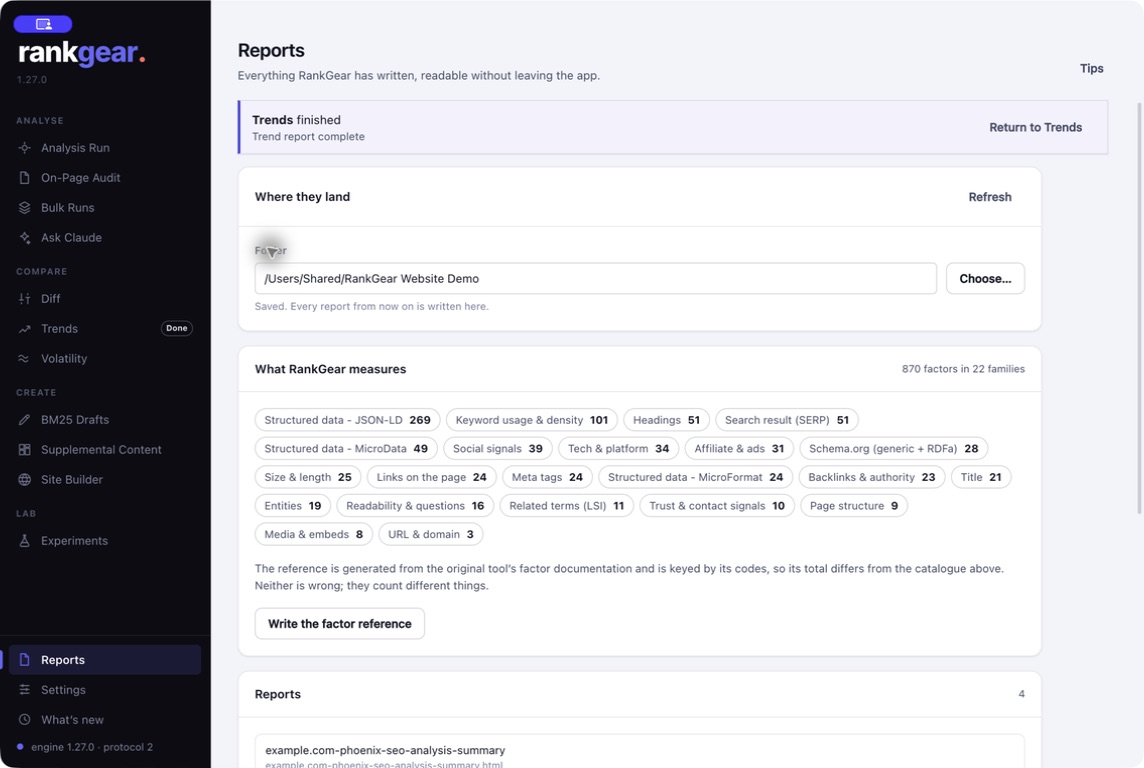
Building a Culture of Testing
If you work in-house or with a team, encourage a culture where testing is normal. Share your findings, even the failures. I once ran an A/B test on page titles and found that a more descriptive title outperformed a punchy one. My colleague had the opposite result. That did not mean one of us was wrong. It meant that our audiences were different. That kind of nuance is lost in blog posts that promise universal truths.
Another practical step is to audit your own content with a critical eye. Look at pages that have lost rankings and ask why. Use tools like Google Analytics to see if user behavior changed, or Google PageSpeed Insights to check if a Core Web Vitals issue appeared. Often, the answer is right there in the data, waiting for you to notice.
Where to Find Reliable SEO Research
You do not have to run every experiment yourself. The SEO community produces a steady stream of studies and analyses. Brian Dean at Backlinko has published large-scale content studies. Neil Patel often shares data from his own sites. Search Engine Journal and Search Engine Land report on industry trends and algorithm updates. The trick is to evaluate the methodology. A study with a small sample size or a single industry focus may not apply to you.
I also recommend reading the Google Search Central blog directly. They occasionally publish insights about how they evaluate quality, and they clarify misconceptions. For example, they have stated that domain age is not a ranking factor, which contradicts a common belief. That is evidence you can act on.
Practical Steps to Start Today
If you are ready to adopt an evidence-based approach, here are three steps to begin:
- Set up Google Search Console and link it to Google Analytics, if you have not already.
- Pick one underperforming page and analyze its current data. Look at impressions, clicks, and average position.
- Make a single change, such as rewriting the title tag or adding schema markup, and track the impact over the next month.
You can also look at your competitors with tools like SEMrush or Ahrefs. See which pages of theirs get the most organic traffic and what keywords they target. But do not copy them. Use that data to form hypotheses about what might work for you. Then test those hypotheses on your own site.
For WordPress users, plugins like Yoast SEO or RankMath provide on-page analysis that suggests improvements. Those suggestions are based on best practices, but they are not gospel. Use them as a starting point, then verify with real user data. A green light from Yoast does not guarantee a ranking, just as a red light does not mean you will fail.
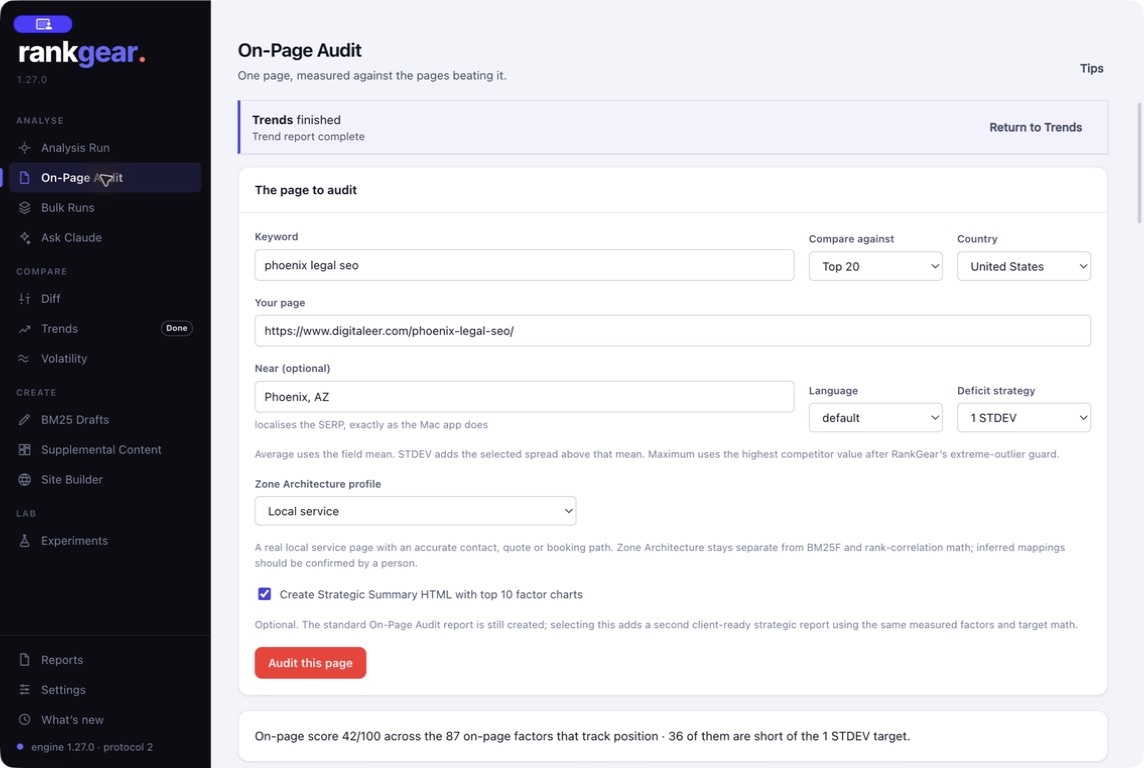
Finally, do not forget about local SEO if you run a local business. Your Google Business Profile is a treasure trove of evidence. Reviews, photos, and Q&A interactions give you direct feedback from customers. If you notice that customers frequently ask about a specific service, create content that answers that question. That is evidence from your own audience, and it is hard to beat.
The Bottom Line
Evidence-based seo is not a buzzword. It is a mindset that separates guesswork from growth. By relying on data from Google Search Console, experiments, and reputable studies, you can make decisions that are more likely to succeed. You will still be wrong sometimes, but you will learn faster and adapt quicker. That is the real advantage.
So the next time someone tells you that you must have a certain word count, or that you need a specific number of backlinks, ask them for the evidence. Then look at your own data. The answer might surprise you, and that is exactly the point.